Lately, I feel like I’m losing a handle on my mental health. It has been a challenge to be a college student, a teacher, and caring for the people who depend on me. My self-care took the backseat, and I was starting to feel intense amounts of anxiety. I shared these feelings with a close friend, who’s also a former Fellow and a teacher, hoping that she would give me some sound advice to help me manage the stress.
“The cigar is strong, but we got to smoke it,” she said, in true Latina fashion.
I curled my lips.
The task of navigating office politics, being present at work, and meeting university deadlines was starting to take a toll. To function at my highest levels, I placed my self-care, friends, and family last on my list of priorities. As a result, I started to become angry with no apparent reason.
The truth is that I have always struggled with anxiety and depression. After years of therapy,
I was starting to feel more in control over my anxiety, and in extension, my physical health. I had developed strategies such as exercise, calling a friend, going for a walk, eating healthy meals, and watching a great film. These things help me manage my anxiety more than anything else. I had tried meditation in the past, but my mind cannot stay still (I blame technology). It just doesn’t work on me. I need to move, to talk, and to feel connected to the people who I respect and love. That said, it has become a challenge and a demonstration of revelation to carve out time for me. The last two months, however, have proven to be a test to my self-care.
I’m the type of person who always likes to give their best, and I am on a constant journey to learning. Two days ago, while mindlessly swallowing a bag of Oreos, I realized that I was experiencing emotional transference. The latter is used to describe the way we can take on the emotional trauma of others. In other words, we draw-in and experience some of the burnout or phycological injury of others without knowing.
A few of the teachers around me were experiencing burnout. Some of them were aware of the mental exhaustion, and they didn’t quite know what to do to solve it. The quiet frustration and anger of finding themselves constantly tired, the struggle with time management, and lack of balance were starting to turn into resentment.
I trust that those teachers will be able to manage this season of their lives, but I also have to work on protecting myself. Self-awareness has proven essential for identifying my emotions and sources of stress.
Teachers work HARD. I don’t regret the decision to become a teacher. Nevertheless, if we don’t work towards actively advocating for ourselves and taking time for ourselves, we will ooze our frustrations onto others. Perhaps, we might bleed onto the most vulnerable of all, our kids.
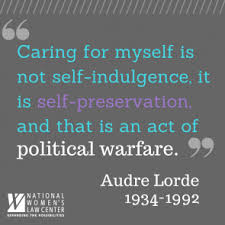
So far, if you were to ask me for help. I would encourage the practice of self-awareness. It would help you identify and manage the things that trigger your anxiety or burnout. Most importantly, I would also beg you to have self-compassion. We never learn to be self-compassionate, and the practice takes work, but it’s utterly necessary to survive.